
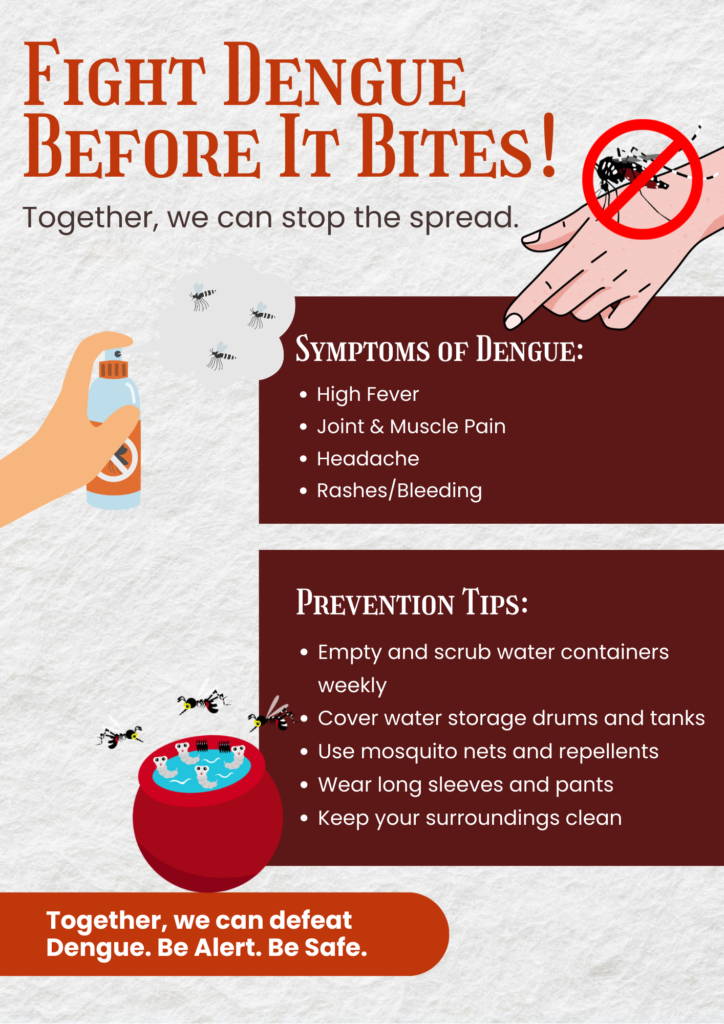
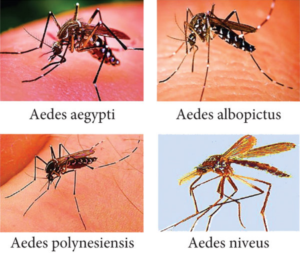
Dengue fever is a mosquito-borne viral infection caused by the Dengue virus, a single-stranded RNA virus from the Flavivirus family. There are four subtypes of the virus (DENV-1 to DENV-4), and infection with one type does not provide lifelong protection against the others. Dengue is classified as an arbovirus because it is transmitted mainly through the bite of infected Aedes mosquito, particularly Aedes aegypti. Symptoms usually develop within 5–8 days after being bitten.
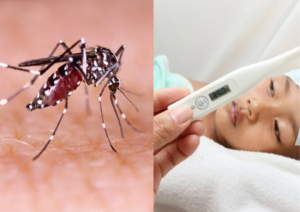
Dengue spreads primarily through mosquito bites, especially in tropical and subtropical regions. In rare cases, transmission may also occur through infected blood products, needlestick injuries, or mucosal exposure (such as blood contact with the eyes, nose, or mouth). Because Aedes mosquitoes breed in stagnant water around homes, urban areas are particularly vulnerable.
Signs and Symptoms
Dengue symptoms can range from mild to severe. Many people experience:
* High fever (around 40°C / 104°F)
* Severe headache
* Muscle and joint pain (“breakbone fever”)
* Nausea and vomiting
* Skin rash
* General body aches
Most mild cases recover within about one week with proper rest and hydration. However, some individuals may develop severe dengue, also known as dengue hemorrhagic fever. This occurs when blood vessels become leaky and platelet counts drop, increasing the risk of bleeding.
Warning signs of severe dengue include:
* Severe abdominal pain
* Persistent vomiting
* Bleeding from nose or gums
* Bruising under the skin
* Blood in urine or vomit
* Extreme fatigue or restlessness
Severe dengue can be life-threatening and requires immediate medical attention.
Dengue in Malaysia
In countries like Malaysia, dengue remains a significant public health concern due to the tropical climate that allows mosquitoes to thrive year-round. Although reported cases declined in 2025 compared to the previous year, dengue continues to pose a persistent threat. Continuous prevention efforts are essential to maintain and further reduce case numbers.
Treatment and Prevention
There is currently no specific antiviral treatment for dengue. Management focuses on supportive care, including:
* Adequate fluid intake
* Rest
* Paracetamol for fever and pain relief
Non-steroidal anti-inflammatory drugs (NSAIDs) such as ibuprofen and aspirin should be avoided because they increase the risk of bleeding. Early medical care significantly reduces the risk of complications and death.
Vaccines are available for certain age groups but do not provide complete or lifelong protection. Therefore, prevention remains the most effective strategy. Communities can help reduce dengue cases by:
* Eliminating stagnant water around homes
* Ensuring proper waste disposal
* Participating in community clean-up campaigns
* Allowing fogging operations
Final Thoughts
Dengue fever may be preventable, but it requires collective responsibility. Even with declining case numbers, continued awareness, early detection, and strong community action are key to keeping dengue under control. By staying informed and proactive, we can protect ourselves and our communities from this persistent disease.


